

- 032-738691-2
- 062-831-6556
- 095-061-5556
- 032-738694
- rtdgroup@rtdindustry.com
- rtdbusiness.79@gmail.com
RTD manufactures filament woven fabrics for apparel applications, serving
garment manufacturers, distributors, apparel brands, and sourcing companies
worldwide. Our fabrics are used in womenswear, menswear, uniforms, traditional
garments, and Middle Eastern apparel.
Fabric Applications
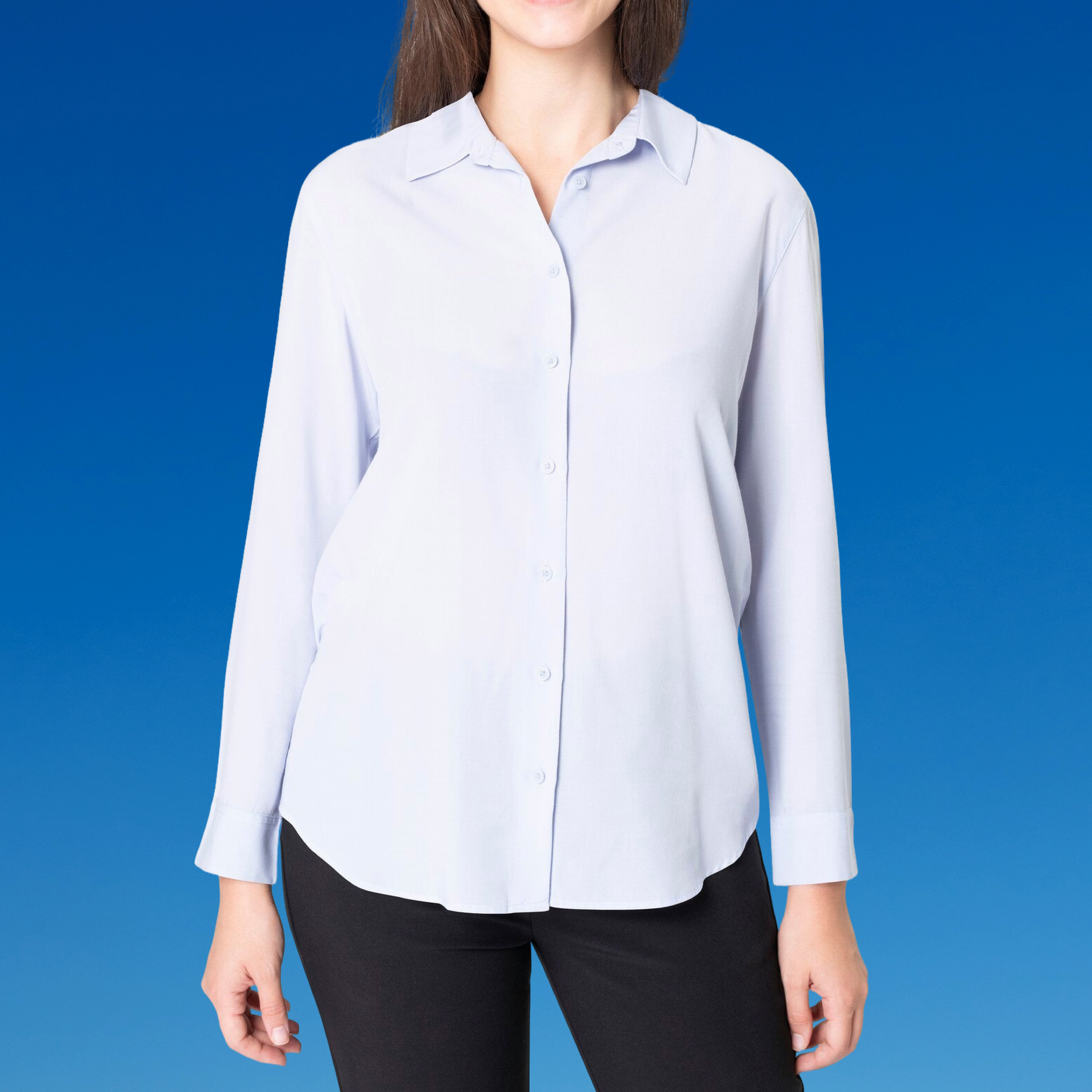
- Womenswear: dresses, blouses, nightwear, gowns, wedding dresses, skirts
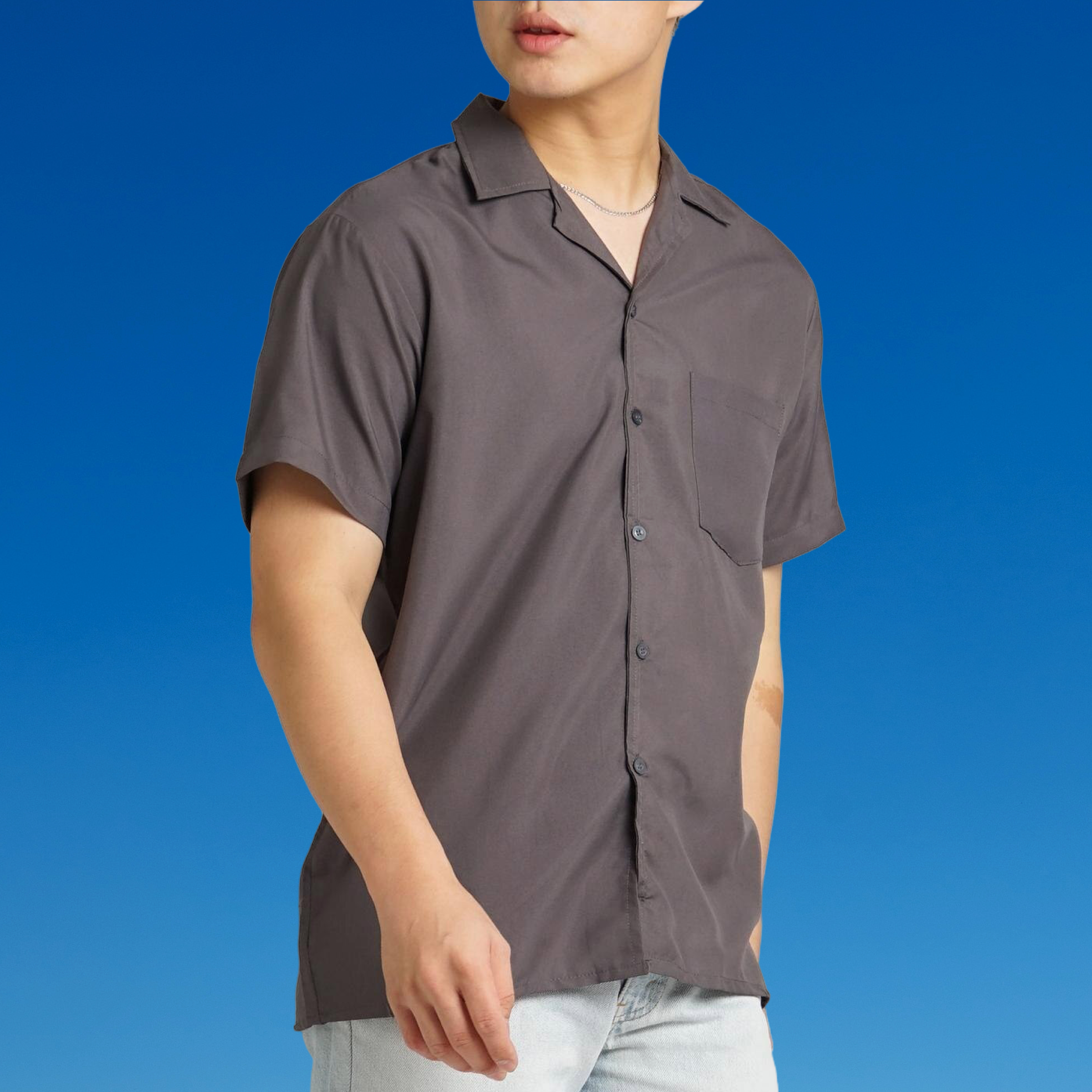
- Menswear: shirting, suiting, pants
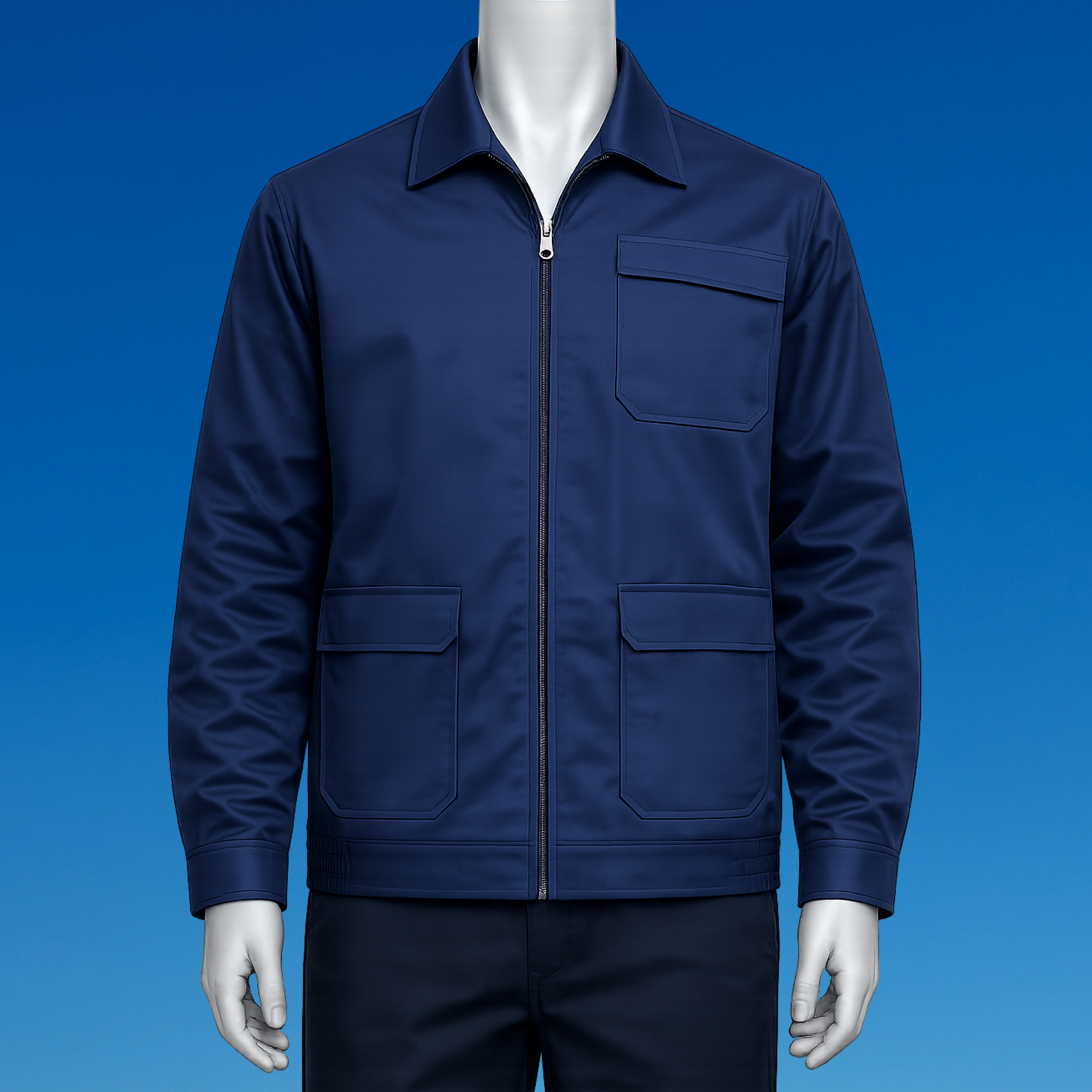
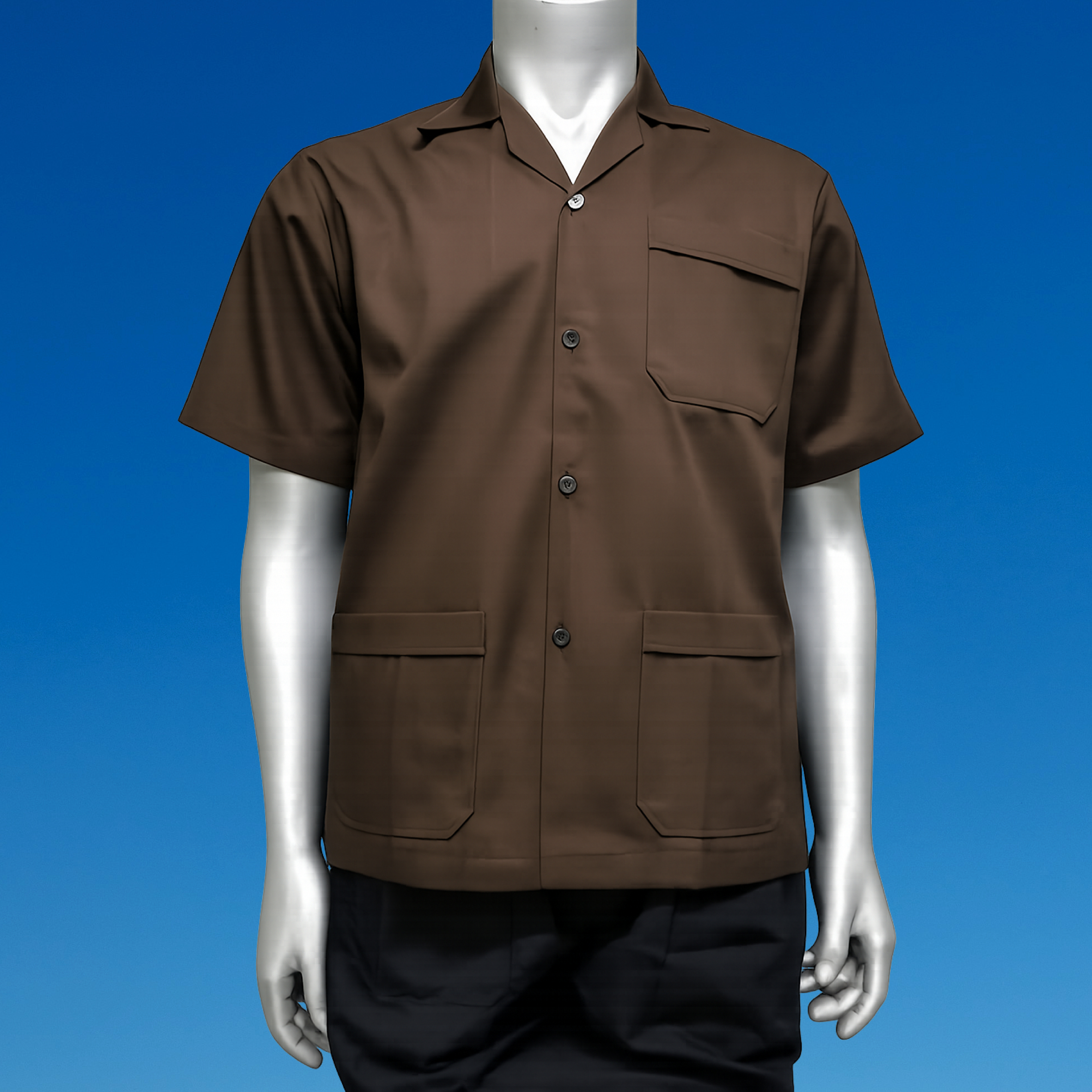
- Uniform Fabrics: corporate, hospitality, industrial
- Thai Traditional Fabrics: Thai traditional garments and ceremonial wear
- Thobe Fabrics: for Middle Eastern menswear
Fabric Types
- Satin
- Chiffon
- Twill
- Oxford
- Peach Skin
- Dobby
Engineered for drape, durability, and consistent quality across production runs.
Why RTD for Apparel Fabrics
Integrated Manufacturing – Weaving, dyeing, and finishing under one
operation for greater quality control and production consistency.45+ Years of Textile Expertise – Decades of experience producing filament
woven fabrics for diverse apparel applications.
Start Your Inquiry
Contact our team to discuss fabric specifications, sampling requirements, and
production inquiries.








What are Apparel fabrics?
Apparel fabrics are materials used to produce clothing, including natural, synthetic, and blended textiles that determine comfort, durability, and style.
What are the main types of Apparel fabrics?
The main types include natural fabrics (cotton, linen), synthetic fabrics (polyester, nylon), and blended fabrics that combine both for better performance.
Why is fabric selection important in clothing?
Fabric selection affects how a garment looks, feels, and performs, including comfort, breathability, durability, and overall appearance.
What are the benefits of synthetic fabrics?
Synthetic fabrics are durable, wrinkle-resistant, and easy to maintain, making them ideal for activewear and long-term use.
What are sustainable Apparel fabrics?
Sustainable fabrics, such as recycled polyester (rPET), are made with environmentally friendly processes to reduce waste and environmental impact.
Pioneering upcycled fabrics and eco-friendly production for a sustainable future.